

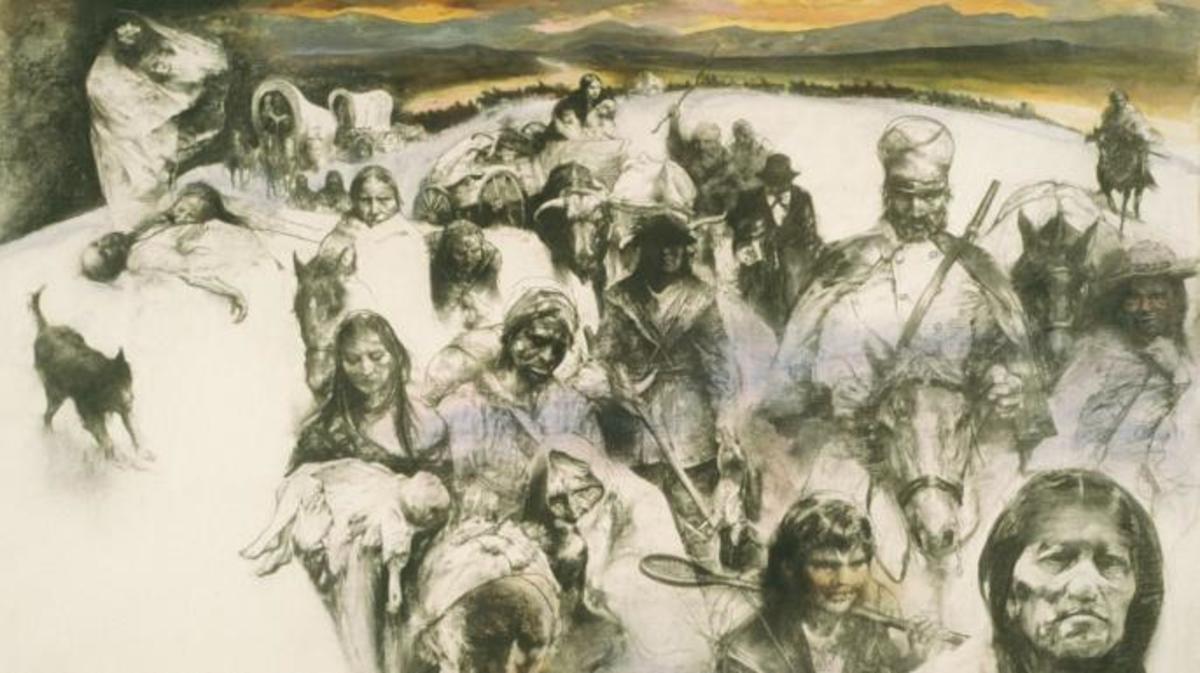
 1838Chickamauga Cherokee Removal
The history of the Westside is rich and complex. The Chickamaugas, a branch of the Cherokee tribe, were the original stewards of the land. After settlers arrived and claimed the land as their own, a forced mass migration event known as the “Trail of Tears” displaced the Chickamauga Cherokee from their homes, temporarily housing them at camps such as Ross's Landing in Chattanooga before sending them West of the Mississippi.
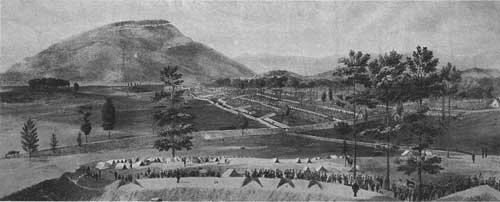 1861Industrial Neighborhood: Civil War
During the Civil War, Cameron Hill was an important communications post for the Union army. Because of its access to rivers and railroads, Chattanooga was a key location for both the Union and Confederate armies and was referred to as the gateway to the deep south.
- Bragg's Hospital During the Civil War1864
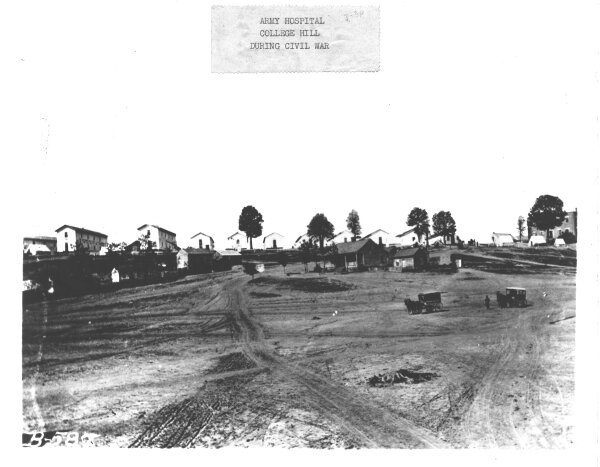
Civil War photo, circa 1864, of Bragg's hospital located on College Hill (also known as Academy Hill) at W. 11th Street and Early Street, Chattanooga, Tennessee. Also shows Masonic Academy on far right and two ambulances. Typed label on front reads: "Army hospital. College Hill during Civil War." Courtesy of the Chattanooga Public Library.
 1870John S. Lovell Establishes Mahogany Hall
John S. Lovell was one of the first African American men to set up a successful business in downtown Chattanooga on the vibrant 9th street (now MLK). Mahogany Hall was located in what is now known as Miller Park. The building was three stories tall and had a hotel, restaurants, saloons, casino, dance hall, and brothel.
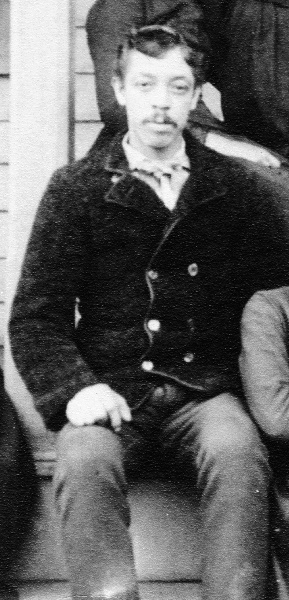
- First Public School1872
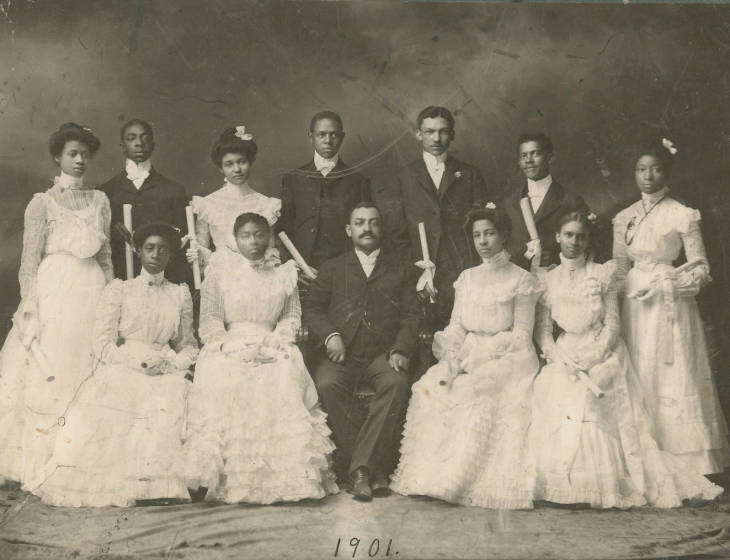
By 1872, Howard School had become the first public school (for either white or African American children) in Chattanooga. Professor James Henry, shown in this photograph, was the first African American principal of the school.
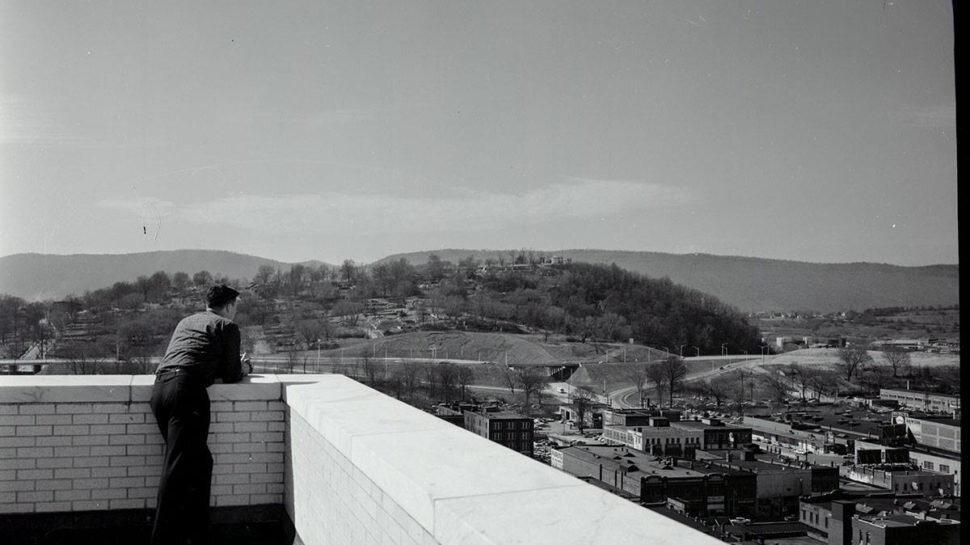 1886Cameron Hill
Residential lots along the side of Cameron Hill were auctioned and the neighborhood became a fashionable part of town. The area had an incline and street railway accessing downtown.
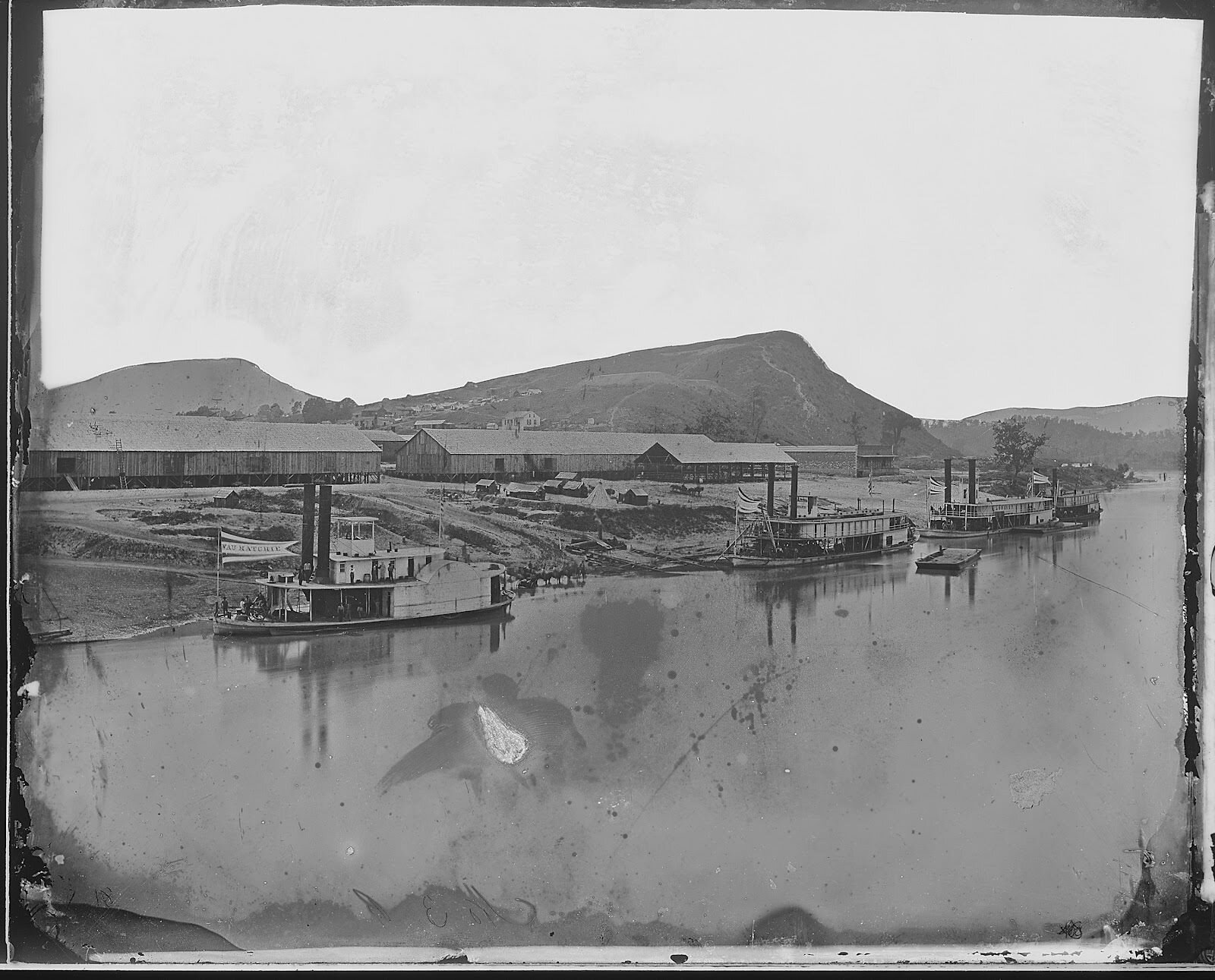
Cameron Hill view from the Tennessee River. Photo courtesy of PicNooga.
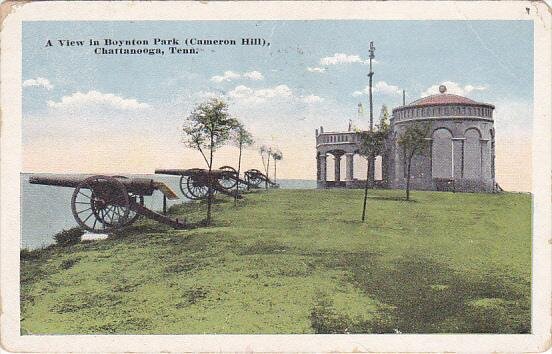 1905Boynton Park
In 1905, a 10-acre park atop Cameron Hill was dedicated as Boynton Park for Union General Henry Boynton. Because of its access to rivers and railroads, Chattanooga was a key location for both the Union and Confederate armies and was referred to as the gateway to the deep south.
- The Rise of Industry1917
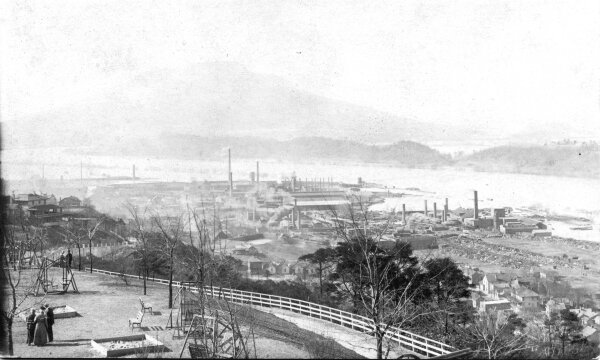
Factories of coke-fired iron and the developments of Tannery Flats led to the adjacent worker residences of College Hill Courts and Blue Hollow. The photo above shows Lookout mountain obstructed by smog.
 1940College Hill Courts
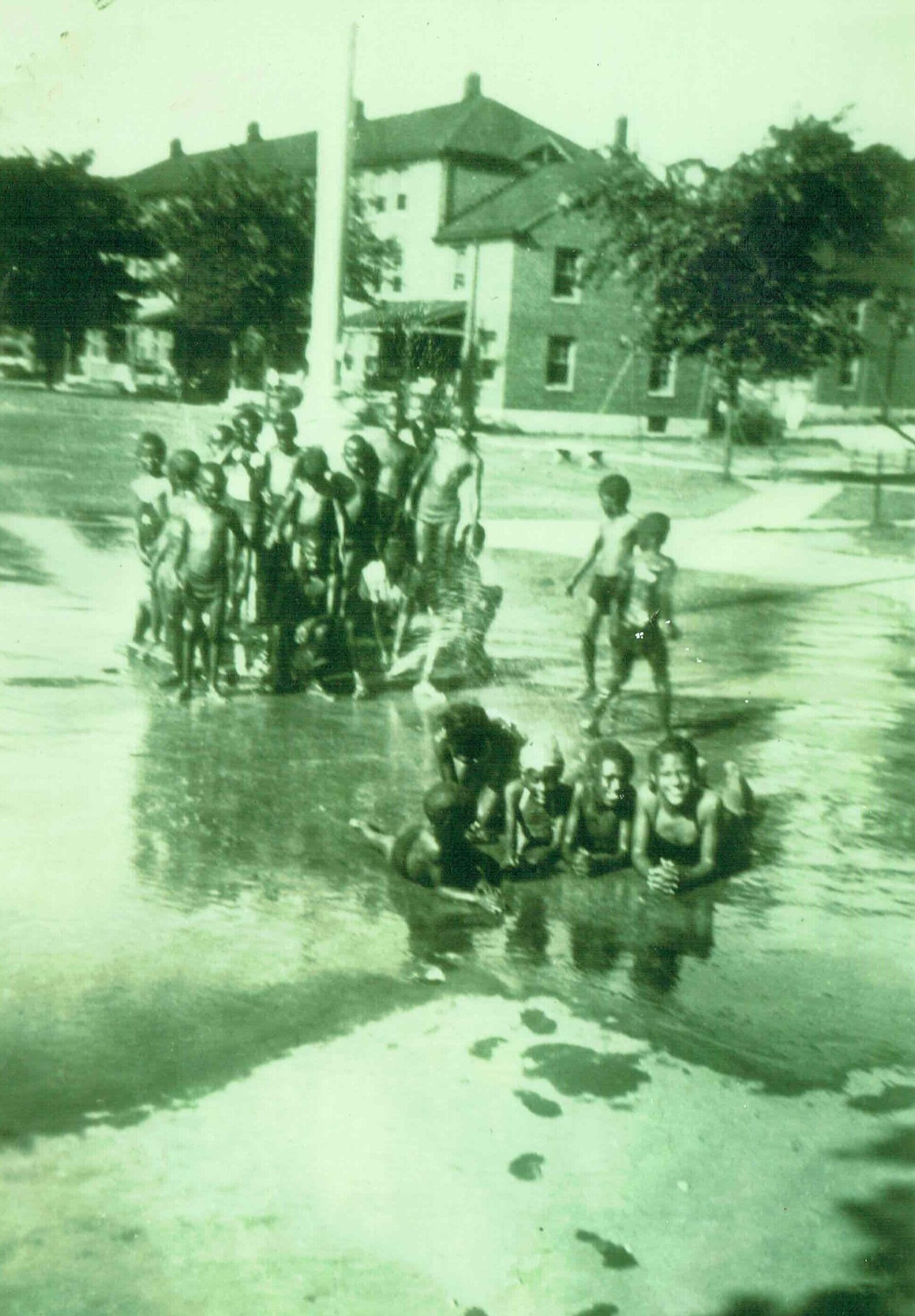
College Hill Courts affordable housing neighborhood opens with 497 units, making it the largest in Chattanooga.
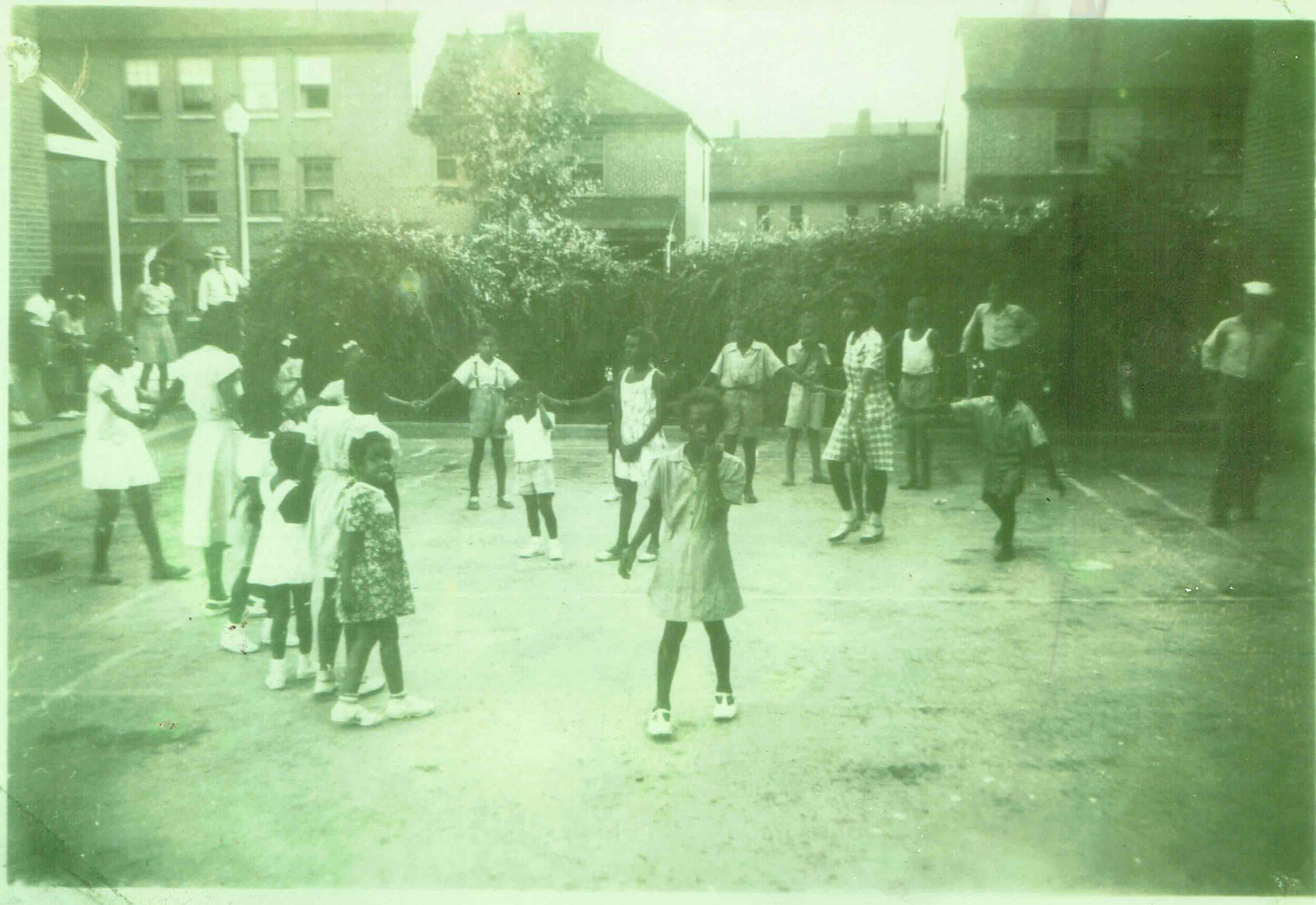
Children play in a central courtyard in the newly constructed College Hill Courts neighborhood.
 1950A New Urban Plan
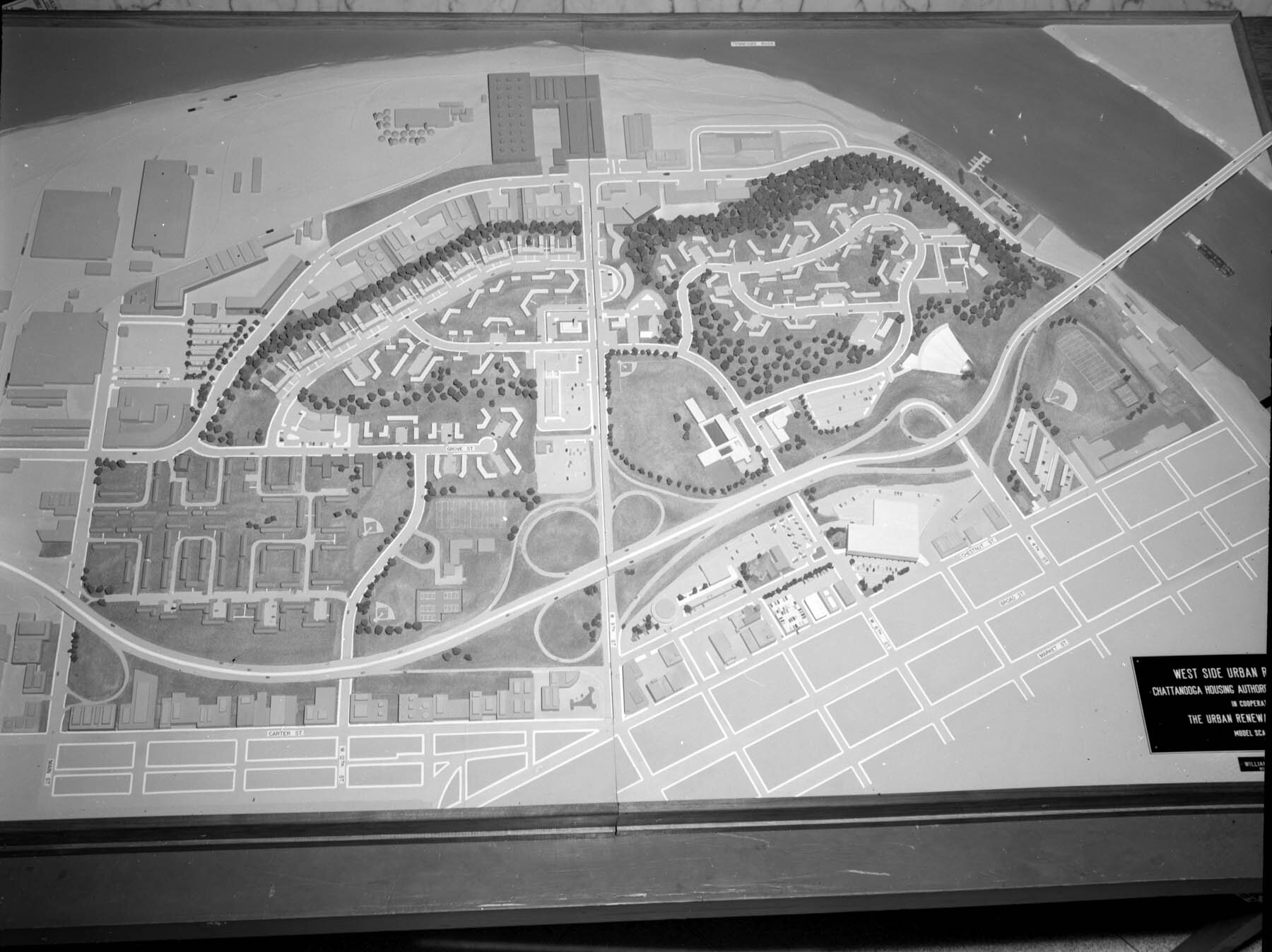
The Westside Redevelopment Plan designates 407 acres bound by the Tennessee River for “slum clearing.” The plan includes reshaping the topography of the area for optimum vehicular access and relocating over 800 families in the Westside.
- Making Way for a New Center1954
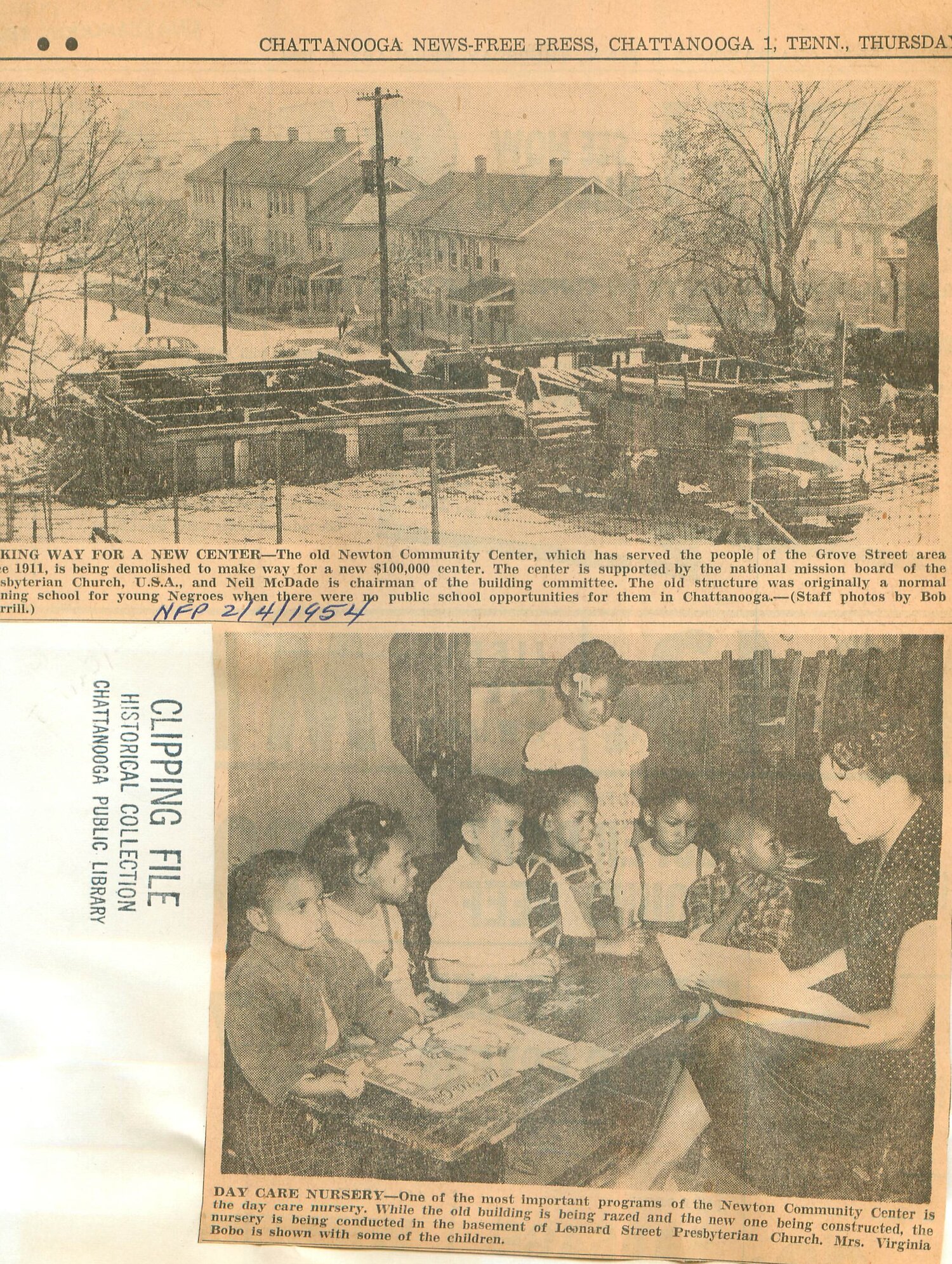
In February of 1954, the Newton Community Center is demolished after a fire and rebuilt on Grove Street. The Center has provided childcare for members of the community since 1903 and continues today.
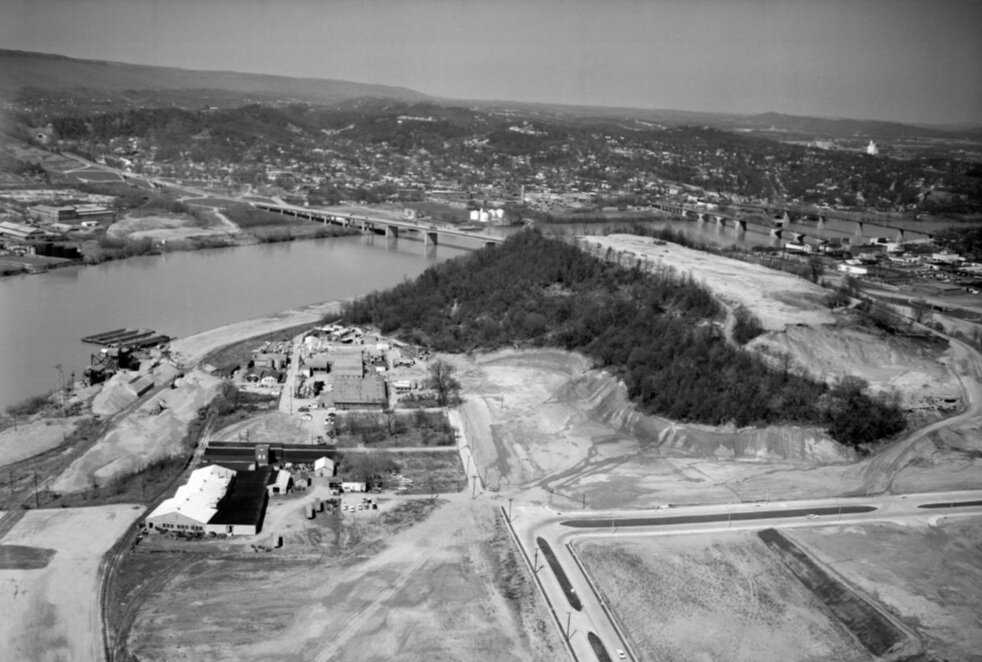 1957Demolition Begins
College Hill Courts remains as Urban Renewal demolishes all surrounding structures. Second District School seen in the middle ground along the new highway. Demolition began in early 1957 and continued for several years through the railroad relocation effort and the addition of Highway 27.
- Highway I-271963
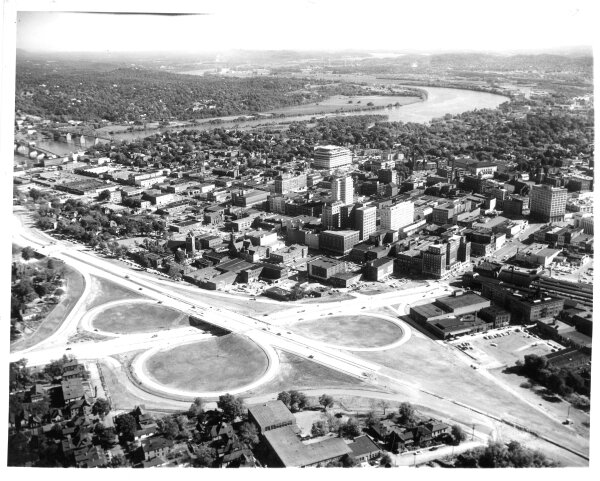
Highway I-27 is completed and opened to the public. Essential to its construction was the dirt transplanted from Cameron Hill.
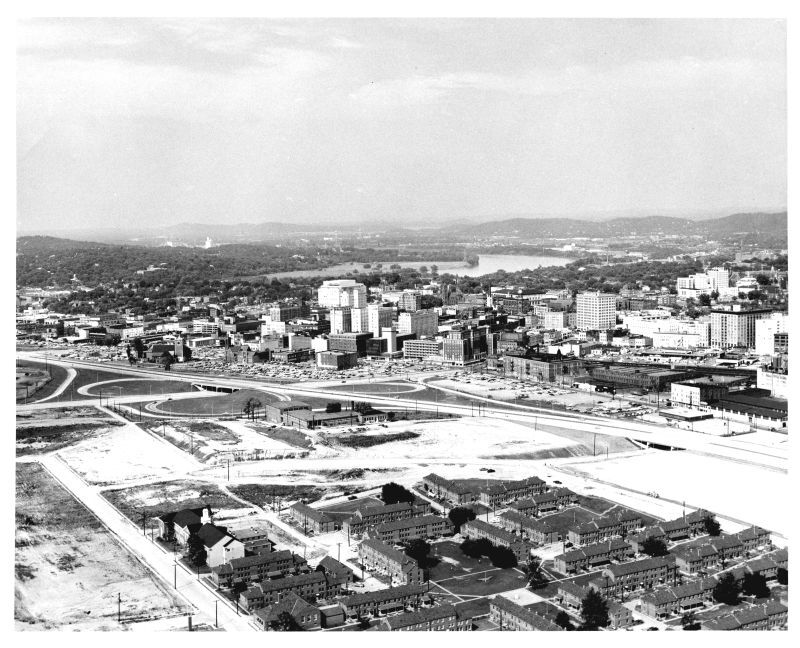
Aerial view of College Hill Courts after the construction of Highway 27. Image provided by Chattanooga Public Library.
- Zayre’s1964
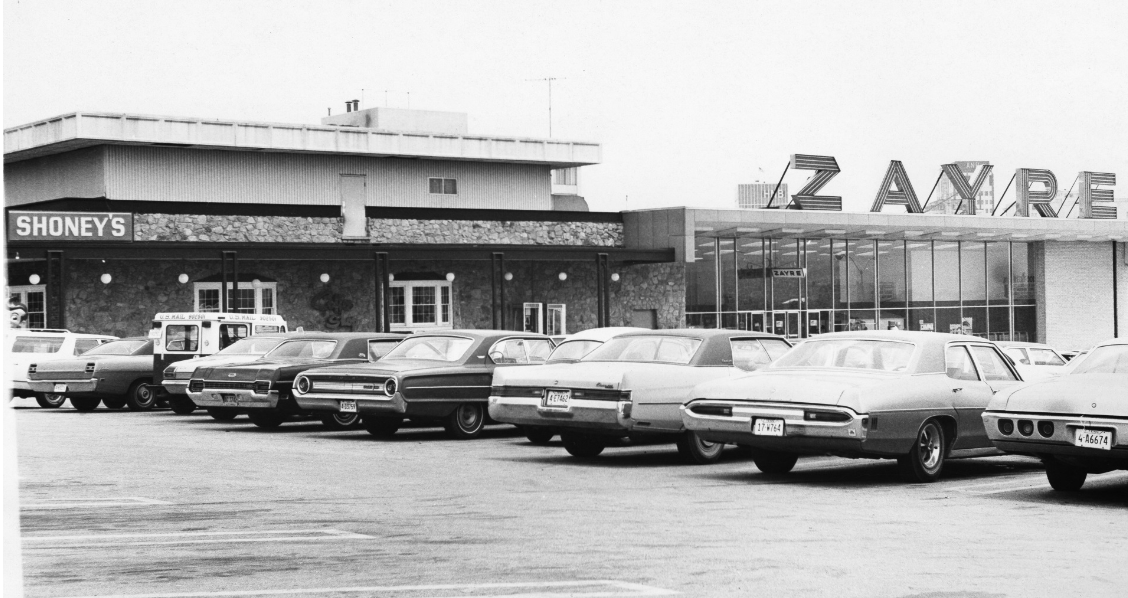
Chattanoogans turned out in great numbers to shop at Zayre's on grand opening day, October 16, 1964. Mayor Ralph Kelley and CHA Executive Director Herbert Banks presided at the ribbon-cutting. Mr. Banks said that the opening of Zayre's was only the beginning for the Golden Gateway. At the time Crest toothpaste was 44¢ and tires were $7.97 each.
 1977Gateway Towers
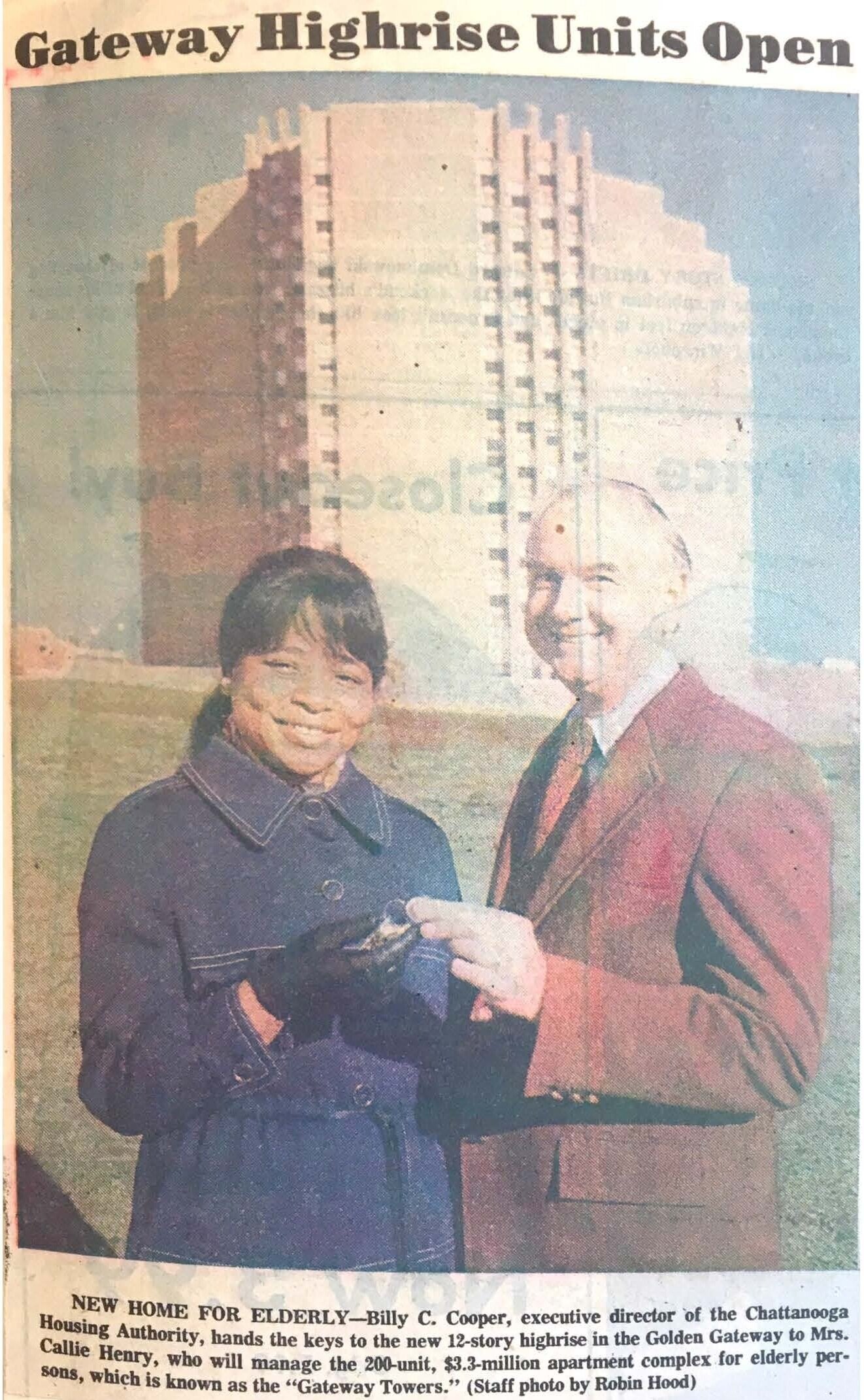
Construction is completed on new apartment building for elderly citizens in Golden Gateway.
- James A. Henry Elementary Closes1980
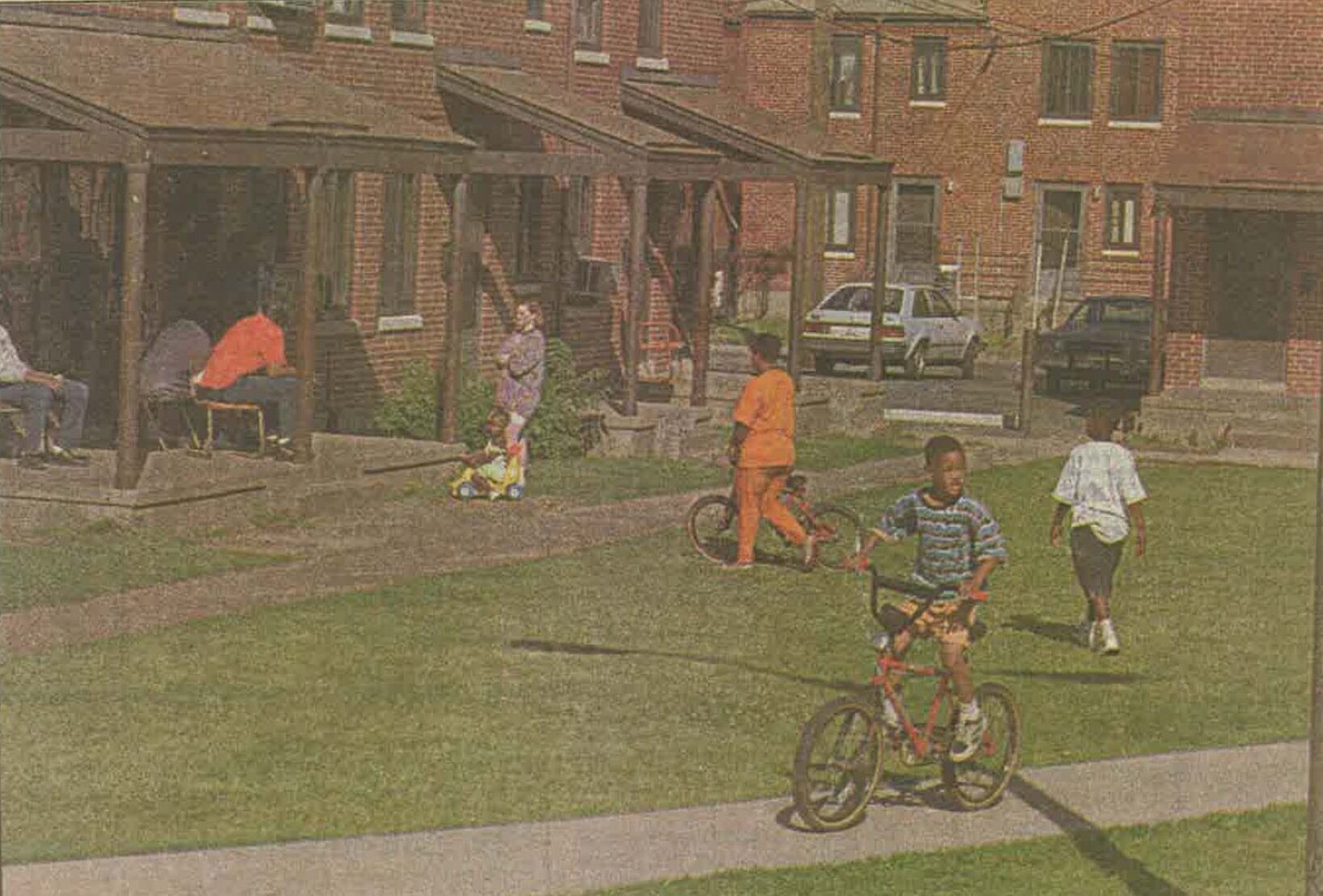
College Hill Courts’ James A. Henry Elementary School closes and many renovations of commercial and community spaces are attempted but ultimately fail all through the 90’s.
 1984Community Garden
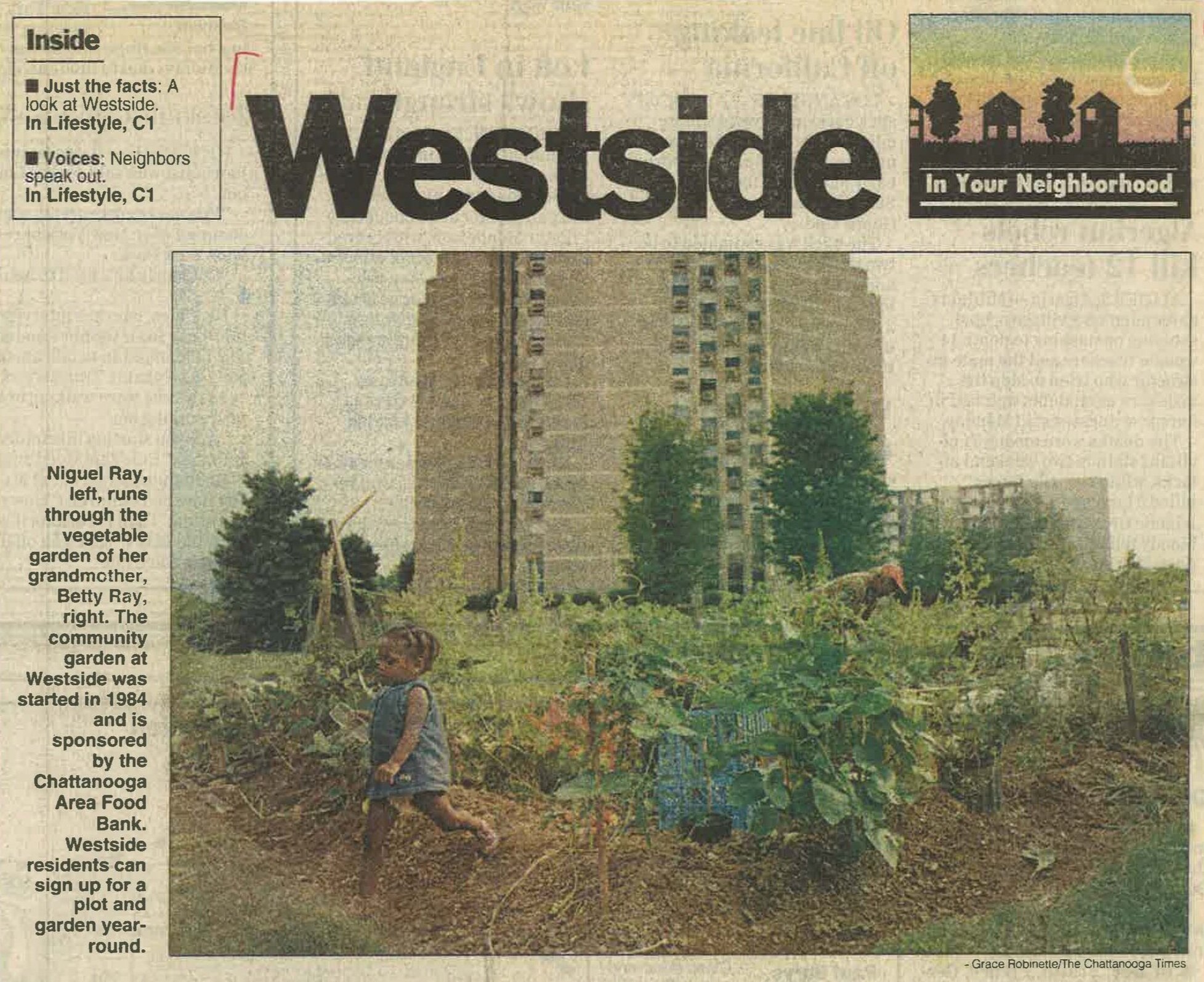
The community garden at Westside is started by Chattanooga Area Food Bank.
- College Hill Courts Is Remodeled1989
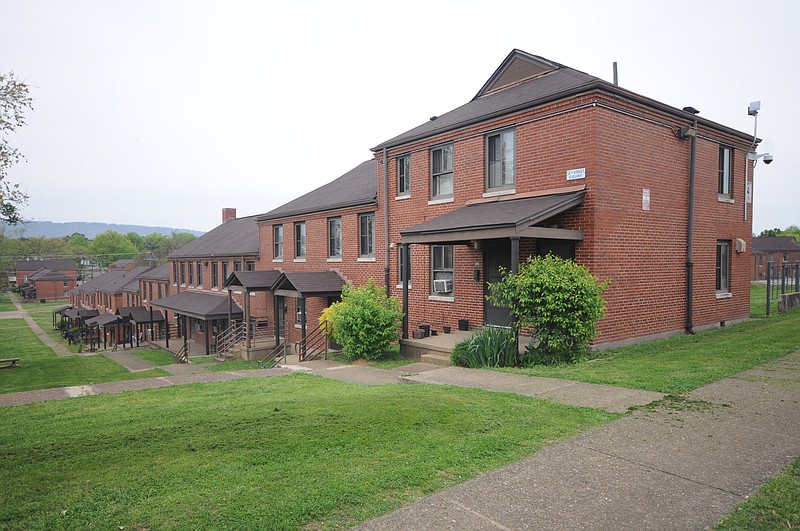
College Hill Courts is remodeled, making some homes ADA compliant.
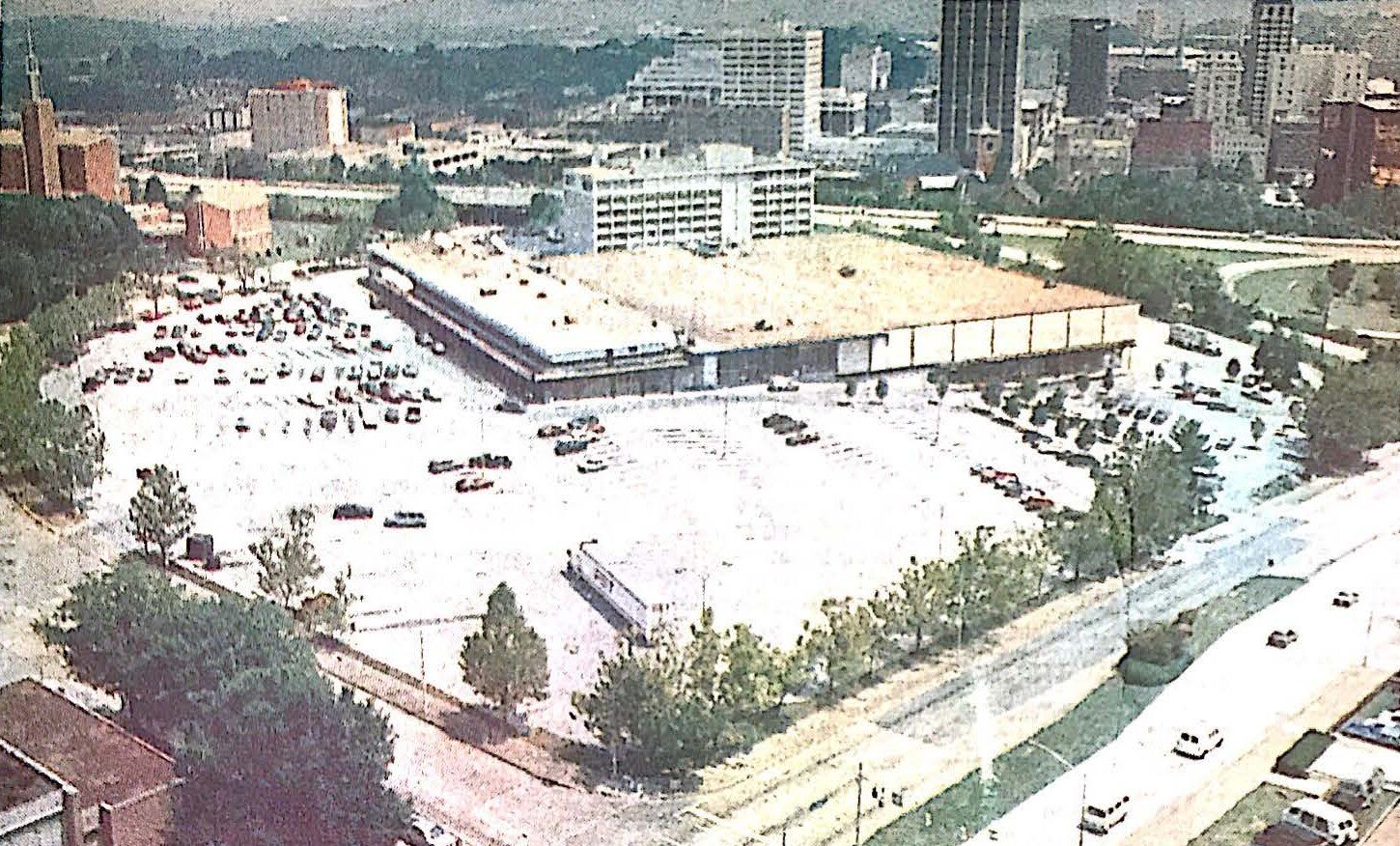 1990Blue Cross Blue Shield Acquires Zayre Building
- D.A.R.E.1991
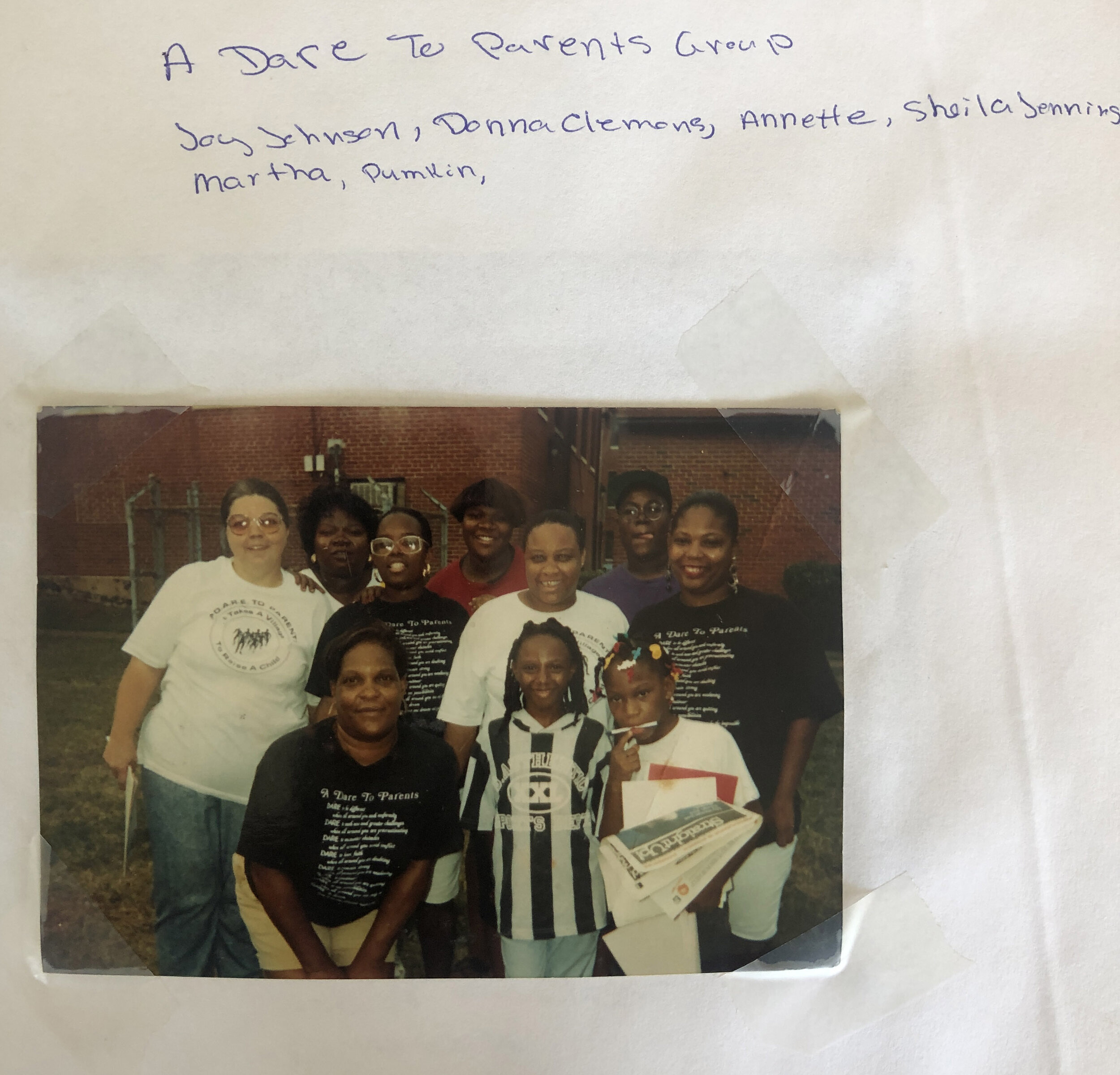
Gwendolyn Charles and Gwendolyn Scott found D.A.R.E at College Hill and call for the conversion of James A. Henry School into a community service building.
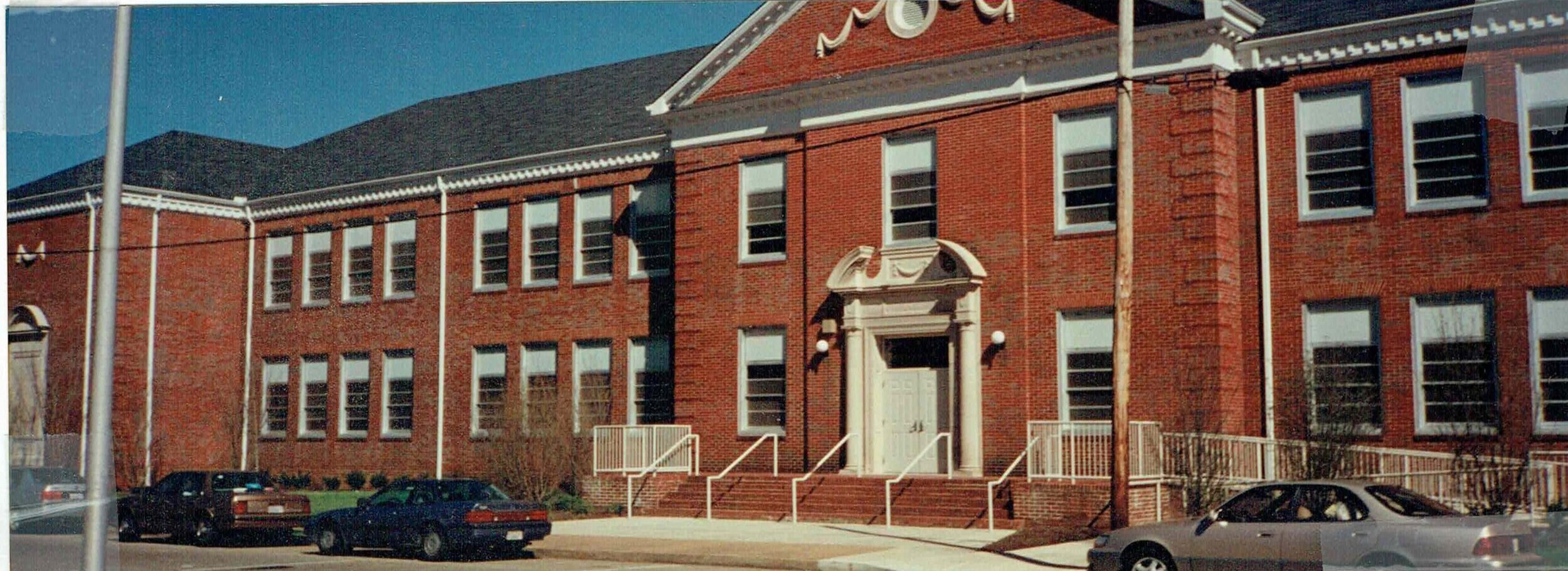 1997James A. Henry Building Renovated for Community Use
The James A. Henry building features classrooms, community rooms, and other spaces for public engagement. (As part of the One Westside plan, this building is currently being renovated into the James A Henry Hub.)
- Blue Cross Blue Shield Complex is Completed2007
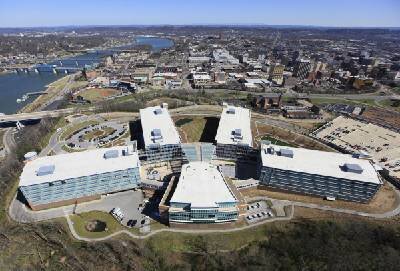
After Blue Cross Blue Shield purchases Cameron Hill in 2000, 7 years later the complex is completed hiring 4,900 employees.
 2016Gaining Access
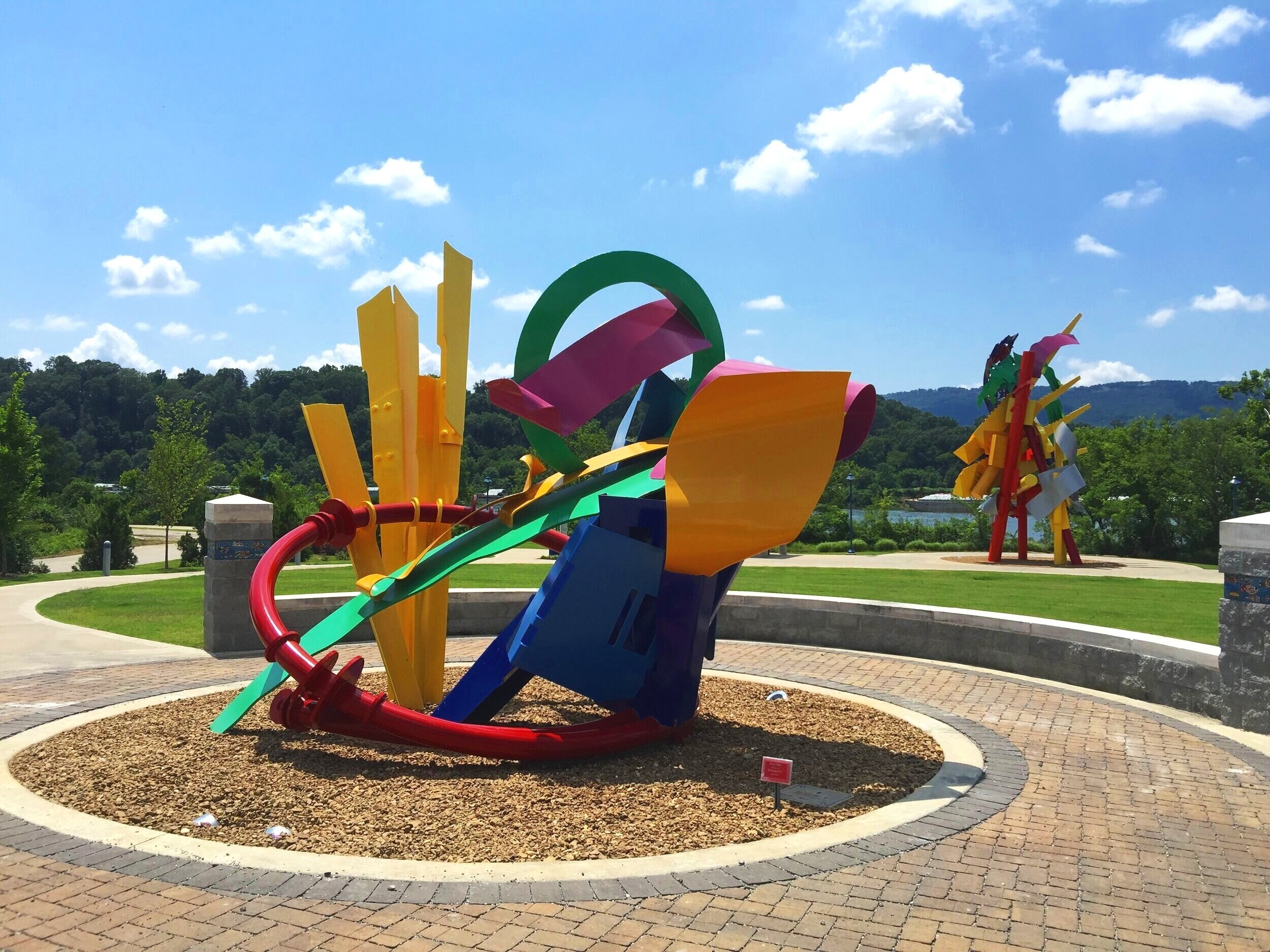
The River walk extension from the newly developed Blue Goose Hollow Trail head opens, connecting south to St. Elmo.