

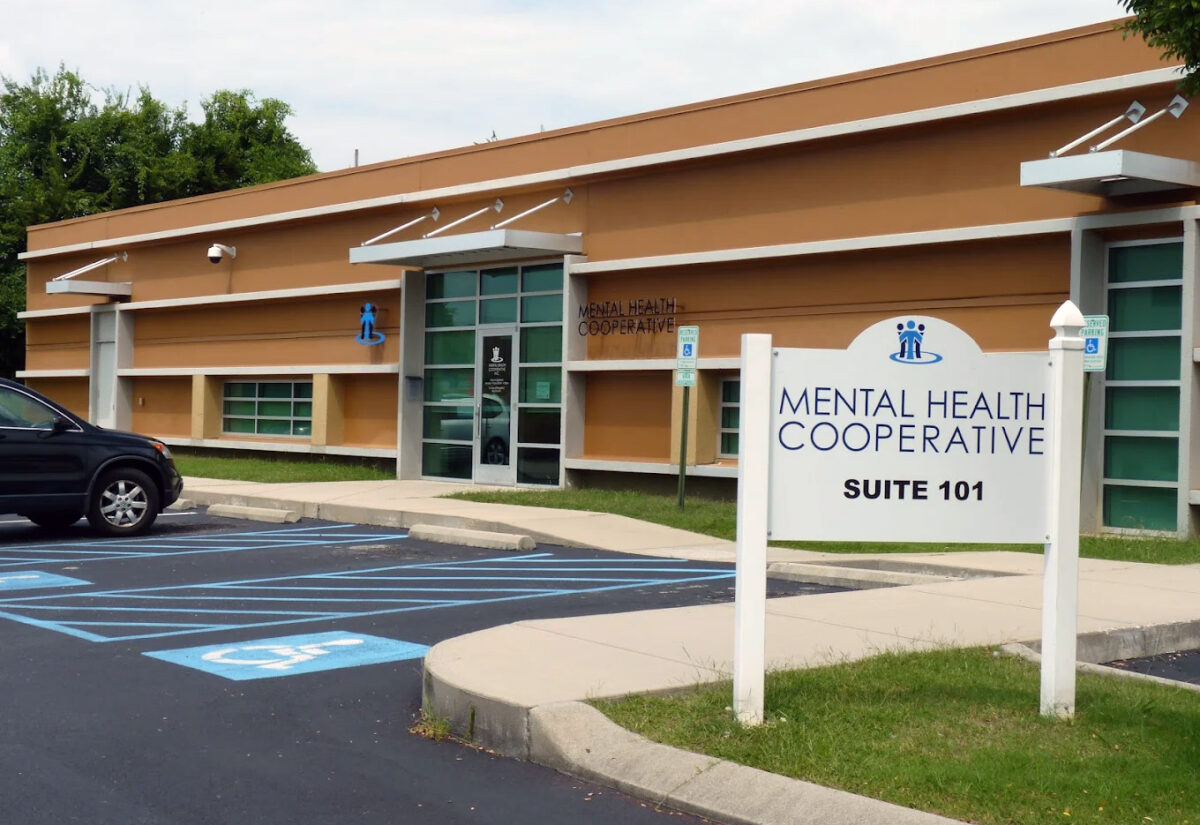
As new housing and neighborhood programs begin to take shape in Chattanooga’s Westside neighborhood, the Mental Health Cooperative is building a network to support emotional well being.
The Mental Health Cooperative (MHC) is a non-profit, community-based agency that provides mental and behavioral health care. What sets them apart is their focus: they are the only mental health organization in the state dedicated exclusively to serving families who are uninsured or on TennCare. Since opening their Chattanooga office in 2013, MHC has supported residents across Hamilton, Marion, Sequatchie, Bledsoe, and Rhea counties with therapy, psychiatric services, medication management, and care coordination. In Chattanooga, MHC is a prominent partner within the One Westside redevelopment, prioritizing mental health stability in a sea of growth and change.
MHC’s mission in the Westside is clear: make mental health care local, make it personal, and make it easy to access. They practice what they preach, too. Since the Chattanooga Housing Authority (CHA) was awarded the Choice Neighborhoods Implementation (CNI) grant last year, MHC has already provided direct services to 71 residents of College Hill Courts. Their unique approach goes beyond other traditional mental health care models. MHC pairs therapy and treatment with support that is practical, like helping residents manage daily stressors, navigate transportation challenges, and connect with community resources. Their special focus on hands-on support is a key element towards long-term emotional stability.
The need for mental health services in low income areas is high. Across the country, public housing residents experience mental health challenges at higher rates, yet many never get the help they need. Among older public housing residents, nearly 28 percent live with conditions such as depression, anxiety, or cognitive disorders1. One in four experience anxiety or depression, yet more than half receive no treatment at all2. At the same time, data from the State of Mental Health in America shows that one in four adults with frequent mental distress cannot see a doctor because of cost. These realities make MHC’s presence in the Westside an essential part of a healthier community.
MHC has pledged $176,000 in mental health services to the Westside neighborhood over eight years. One of their most anticipated projects is the creation of an on-site office inside one of the repurposed College Hill Courts apartment units. This will give residents a private, familiar space to meet with providers without having to leave their neighborhood. By embedding care in a place residents know, MHC hopes to make mental health check-ins as routine as visiting a neighbor, thereby reducing the stigma associated with mental health counseling and making support an ordinary part of everyday life.

Until that space opens, MHC’s team is already showing up. Care managers attend neighborhood events, meet one-on-one with residents, and help them follow treatment plans, connect to housing or food assistance, and develop necessary skills to support long-term stability.
The positive ripple effect of their services goes well beyond the Westside. Having early access to behavioral health care not only adds more stability to people’s lives, it also eases the strain on crisis services. For example, trauma patients who received targeted mental health intervention had nearly 50% fewer ER visits compared to those who didn’t receive early care3. And when schools provide mental health services on-site, students show fewer suspensions and improved math performance4. For Chattanooga as a whole, that means stronger families, healthier neighborhoods, and less pressure on the city’s healthcare system.
MHC’s “whole person” approach makes all this possible. A personal therapy session might be followed by helping a parent schedule an evaluation for a child’s learning needs, or walking someone through the steps to apply for safe housing. They are also looking to build capacity among other Westside partners, offering mental health training to CHA case managers and people partners so more frontline workers can recognize when a resident needs support.
Looking ahead, the renovated James A. Henry Hub (set to reopen in early 2026) will offer another central location for MHC’s neighborhood-based care. But the message is clear: the work is already happening. With residents being served, a dedicated on-site office on the way, and a commitment to meeting people where they are, MHC is helping ensure mental health care is woven into the foundation of the Westside neighborhood for a healthier future.
How to Connect
- Website: https://www.mhc-tn.org
- Enrollment Services: (615) 743-1555

The Housing Plan is advancing at College Hill Courts, with new housing, improved streets, and community amenities. Phases 1 and 2 are underway, connecting residents to jobs and services, while planning for Phase 3 focuses on future infrastructure.

Fall brought job support and on site resources. People Plan highlights included career coaching from the mobile American Job Center, digital readiness workshops, Bookmobile literacy programs, a Dress for Success boutique, a Health Fair, and a Resource Fair.